

How Much Does It Cost to Build a House in Albuquerque, NM in 2026?
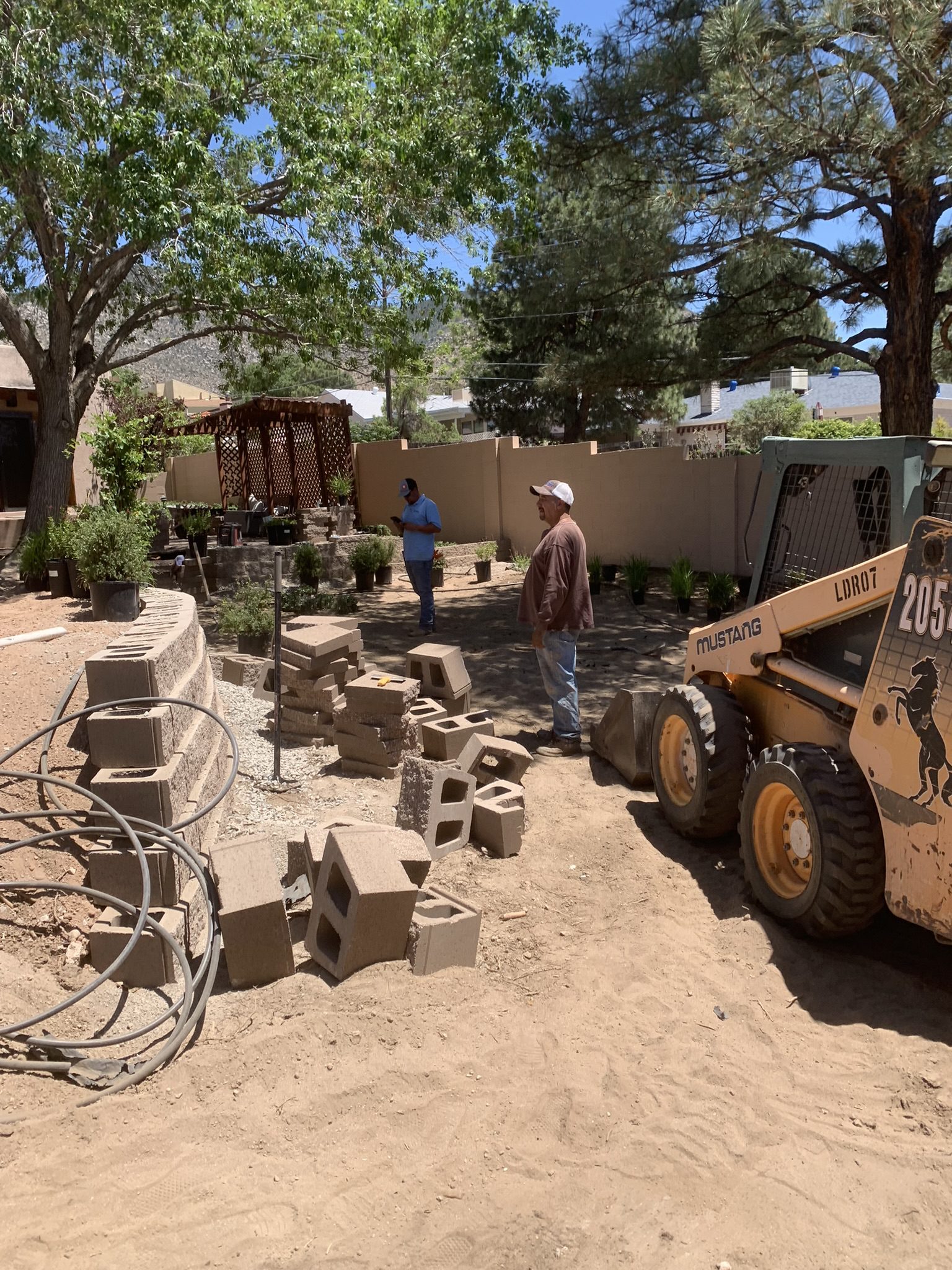
Building a house in Albuquerque is genuinely different from building one in Phoenix, Denver, or Dallas. The high desert setting, the caliche soil, the local permit environment, and the regional labor market all push construction costs in directions that national estimates consistently miss. If you’ve seen articles quoting $150 per square foot as the Albuquerque average, those figures deserve closer scrutiny. Here’s what’s realistic for 2026: most new residential builds in Albuquerque run between $175 and $310 per square foot for the finished structure, depending on build type, lot conditions, and material selections. A standard 1,800-square-foot home would put you somewhere between $315,000 and $558,000 before land. High-end custom builds push well beyond that. This guide breaks down what drives those numbers, what questions to ask any contractor before signing anything, and whether building versus buying actually makes financial sense in Albuquerque’s current market. Average Cost Per Square Foot in Albuquerque Rather than cite a single number, it helps to think in tiers. The range between a production build and a full custom home is significant, and understanding where your project fits matters before you start comparing quotes. Entry-Level / Production Builds — $160–$195/sqft These typically involve standard builder-grade finishes, conventional framing, minimal layout complexity, and very limited custom input. You’ll see this range in large-lot developments in areas like Rio Rancho, Mesa del Sol, and newer Southwest Albuquerque neighborhoods. The tradeoff is predictability; these builds run on predetermined plans and limited material options. They’re efficient, but they’re not customizable. Mid-Range Custom Builds — $200–$265/sqft This is the most common range for homeowners working with a licensed general contractor on a semi-custom project. It includes higher-quality cabinetry, better flooring, and meaningful design control, while still working within cost-conscious parameters. Albuquerque residents building on lots in established neighborhoods most often land here. High-End / Full Custom Builds — $270–$400+/sqft Custom architecture, premium materials, complex rooflines, upscale finishes, specialty systems, solar integration, radiant heat, and high-performance insulation land in this tier. Homes in East Mountain communities or high-elevation foothill lots in the Sandias regularly reach these figures. At the upper end of this range, you’re building something that will outlast two generations of production homes. One important note on scope: these figures cover construction costs only. Land, architectural and engineering fees, permit costs, utility connections, and landscaping add another 15–30% on top of hard construction costs, depending on your specific lot and location. Not sure which tier your project falls into? Happy Homes can walk you through a realistic cost range based on your lot, layout, and finish level, reach out for a free project consultation before you start collecting bids. What Drives the Cost Up or Down Several factors move the needle significantly on an Albuquerque build, and some of them are unique to this region: Caliche Soil — Albuquerque’s Hidden Foundation Challenge Much of the Albuquerque metro sits on caliche, a hardened, calcium carbonate-rich soil layer that can range from inches to several feet thick. Breaking through caliche during excavation requires specialized equipment and significantly more labor than standard soil conditions. Depending on the depth and severity encountered, caliche can add $5,000–$20,000 or more to foundation costs alone. This is one of the most consistent budget surprises for homeowners relocating here from other states. Lot Topography and Grading Flat lots in established subdivisions are straightforward. Lots with significant slope, common in foothill properties east of the city, require cut-and-fill grading, retaining walls, and more complex foundation engineering. These extras stack up quickly, and they’re often not fully visible in early estimates until a soil report and topographic survey are complete. Build Type: Conventional Frame vs. Adobe vs. ICF Traditional adobe or thick-wall construction remains popular in New Mexico for both aesthetic and thermal performance reasons. Adobe homes are excellent thermal mass structures, keeping interiors cooler during summer days and warmer at night which suits Albuquerque’s extreme temperature swings and 300+ days of annual sunshine. However, true adobe construction typically costs 15–25% more per square foot than conventional wood-frame building. Insulated Concrete Form (ICF) construction is a middle ground gaining traction across the metro. Strong, highly energy-efficient, and resistant to Albuquerque’s UV intensity and temperature extremes, ICF still carries a cost premium over standard framing, but less than full adobe. It’s worth evaluating for builds where energy efficiency is a priority over a 20–30-year horizon. Roofing Style Flat roofs are architecturally common in New Mexico and, when properly designed and waterproofed, handle Albuquerque’s monsoon season without issue. The concern is execution quality; a poorly detailed flat roof will fail within years. Spanish tile is popular in higher-end neighborhoods and adds substantial character, but installation costs significantly more than architectural shingles. These choices have a noticeable effect on overall build cost, and they’re worth evaluating early rather than treating them as a late-stage decision. Material and Labor Market Conditions in 2026 After several years of elevated pricing, lumber costs have stabilized somewhat, but remain above pre-2020 levels. Concrete, steel, and mechanical components are still elevated relative to historical norms. In Albuquerque’s local labor market, the skilled-trades shortage that defined the post-pandemic build boom has eased, though experienced crews remain in demand. Plan accordingly: this is not a market where you shop exclusively on price without accepting real schedule and quality risk. Permit Fees and Development Impact Fees The City of Albuquerque charges permit fees based on project valuation, and new construction in certain areas carries additional development impact fees. These vary by location and project type. An experienced local contractor should walk you through exactly what applies to your specific lot before you set a final budget. What to Ask Your Contractor Before Signing Anything These questions consistently separate contractors who will cost you more in delays and change orders from those who deliver what they quote. Ask them before you sign anything. 1. Are you licensed as a general contractor in New Mexico? New Mexico requires a GB-98 license for residential general contractors. Anyone managing your project as GC should