
General Contractors License Gb98 #416168

General Contractors License Gb98 #416168
Insured And Bonded
At Taos elevation, a roofing system that holds through the ski season is not a bonus. It is the whole point.
Taos sits at nearly 7,000 feet in the Sangre de Cristo Mountains and receives more snowfall than any other major community in New Mexico. That means roofing systems here deal with real snow load, serious freeze-thaw cycling, and the ice dam conditions that are barely a concern in Albuquerque or Las Cruces. When a roof seam fails in Taos in January, the water that enters may not show up indoors until spring. In many cases, prolonged moisture intrusion can also lead to damaged exterior finishes, making timely repairs important for both the roof and surrounding stucco systems. We handle roofing in Taos with a system-level approach that prioritizes winter performance above everything else.
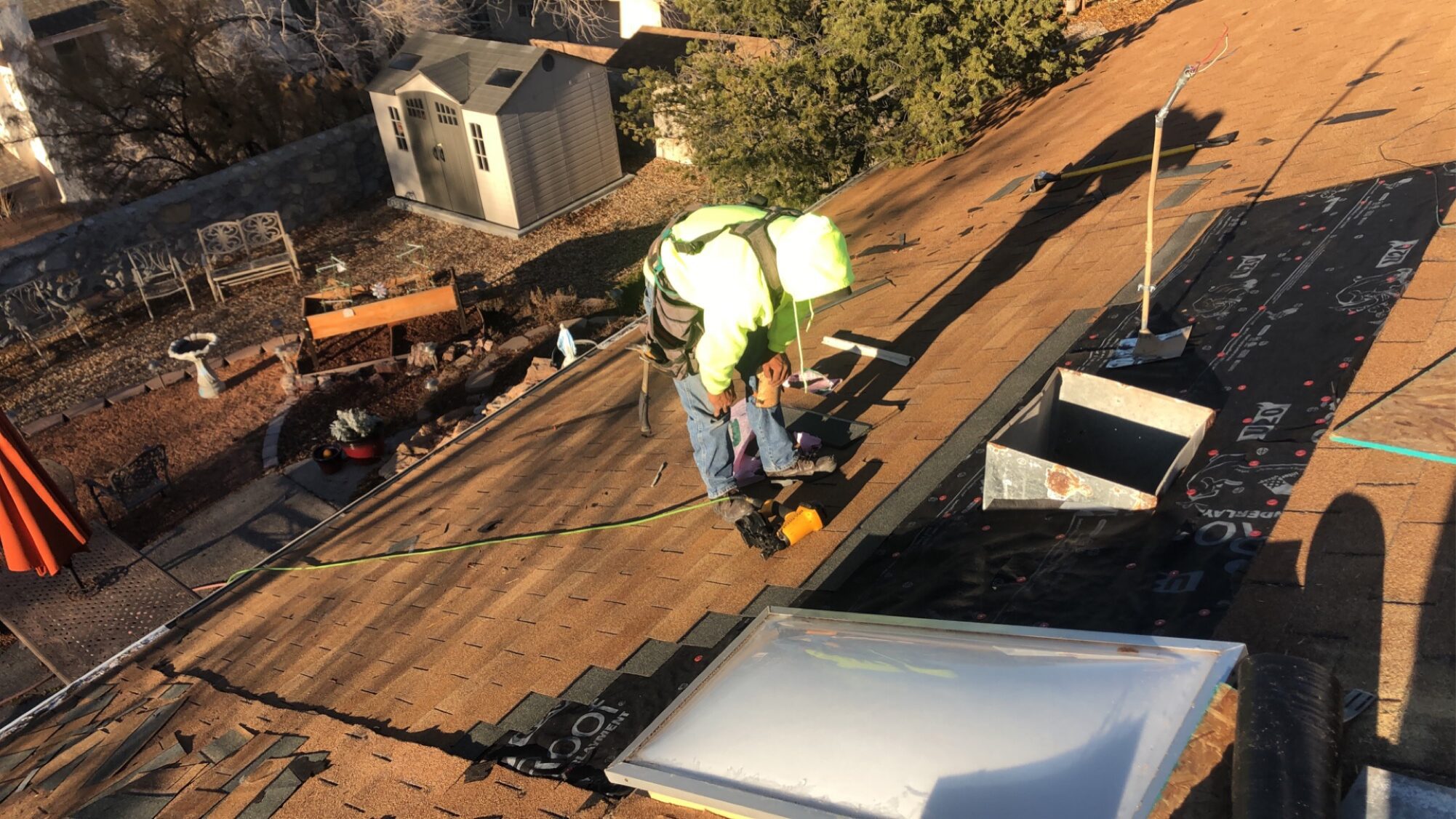
Taos snowfall puts weight on roof structures that most New Mexico homes were not tested against. We evaluate whether the existing framing and roofing system can safely carry a full snow season's load before problems develop.
Ice dams form at Taos eave lines when warm roof decks melt snow that re-freezes before reaching the gutter. We address attic ventilation, drip edge, and membrane coverage that stops ice dam water from entering the structure.
Taos freeze-thaw cycles crack sealant joints and work flashing loose faster than lower elevations. We reseal and reinforce every transition point before the next cold season so the system stays watertight through the full winter.
Most roofing failures in Taos are not dramatic events. They are the result of small compromises that accumulate through repeated freeze-thaw cycling, each one opening a joint a little further or loosening a flashing connection slightly more than the last. By the time moisture shows up inside, the entry point has been working for months or longer. We inspect the full system looking specifically for the early-stage vulnerabilities that Taos conditions target, and we address them before the next ski season begins.
For full New Mexico roofing coverage, see our roofing services across New Mexico. For neighboring mountain climate work, see our Santa Fe roofing services page.
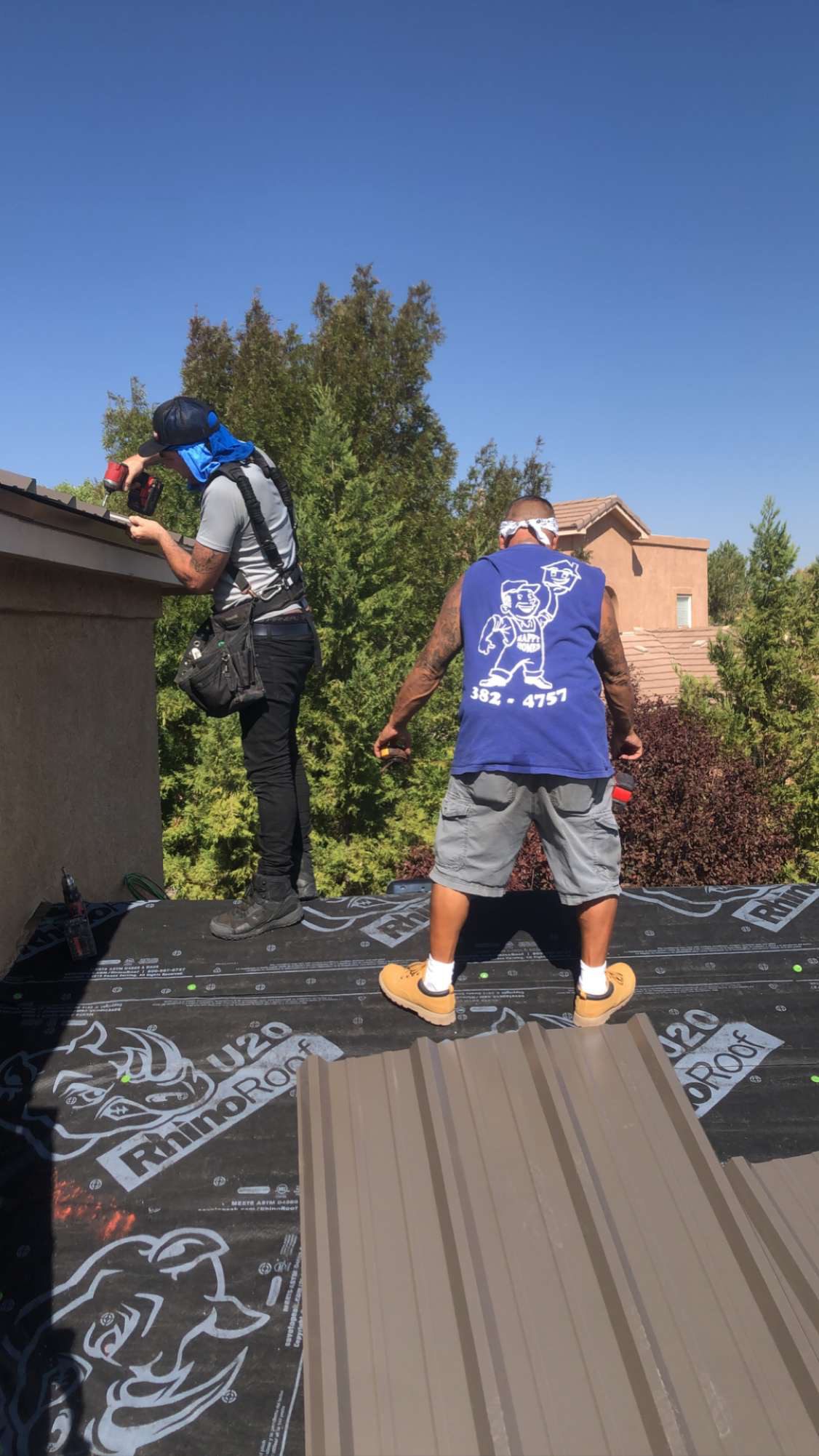
We understand the difference between high-elevation roofing demands and the standard New Mexico approach. Snow load tolerance, freeze-thaw sealant choices, and ice dam prevention are part of every Taos inspection.
In Taos, the roof needs to be fully sealed and reinforced before the first significant snowfall. We work with that calendar in mind and prioritize repairs that matter most going into cold season.
High-elevation temperature swings stress every sealed transition on a roof. Chimney flashing, skylight perimeters, and vent pipe seals get close attention because those are the points freeze-thaw cycles attack first.
Happy Homes holds New Mexico General Contractors License GB98 with insurance coverage for roofing work throughout Taos and Taos County. Free estimates are available for residential roofing projects of all sizes.
If snowmelt, moisture intrusion, or winter weather has affected other parts of the home, we also provide stucco repair, home remodeling services, and general construction services throughout Taos and northern New Mexico.
Taos receives significantly more snowfall than Albuquerque, Las Cruces, or even Santa Fe, and its position in the Sangre de Cristo Mountains means roofs are exposed to more extreme freeze-thaw cycling, heavier snow accumulation, and longer periods of sustained cold. The roof systems that handle Albuquerque's UV and monsoon conditions well are not necessarily calibrated for what Taos delivers in a full winter season. Snow load, ice dam formation, and the repeated mechanical stress of expansion and contraction through cold nights and warmer sunny days require specific material choices and installation details that Taos-experienced roofing contractors factor into the work from the start.
Ice dams form when heat escapes through the roof deck and warms the snow near the ridge while the eave overhang remains cold. Meltwater runs down and refreezes at the cold eave, building up a dam that backs liquid water underneath shingles and into the structure. The three factors that drive ice dam formation are inadequate attic insulation that allows heat to escape through the deck, insufficient attic ventilation that keeps the deck temperature uneven, and eave areas without proper ice and water shield membrane coverage. Addressing all three is the complete solution. We assess each factor and recommend the combination of repairs and material additions that will reduce or eliminate ice dam risk for your specific roof configuration.
Roof snow load capacity depends on the structural design of the home, the roof pitch, the span of the rafters or trusses, and whether any modifications have been made to the original structure. Most residential roofs built to modern code in Taos are designed to handle a reasonable snow accumulation, but older homes, homes with flat or very low-slope sections, or homes that have had structural modifications may have lower capacity than the exterior suggests. If snow accumulates to unusual depth or is followed by rain that adds significant weight, monitoring the structure for signs of stress such as cracking sounds, door frame changes, or ceiling deflection is worthwhile. We assess roof structural condition as part of a Taos roofing inspection.
Late summer through early fall, roughly August through October, is the ideal window for roofing repairs and replacements in Taos. The monsoon season is winding down, temperatures are still workable, and there is enough time before the first significant snowfall to complete work properly and allow sealant to cure. Spring is the second-best window after winter damage can be fully assessed. Scheduling during the height of ski season or in mid-winter is generally not practical for pitched roof work in Taos, though flat roof emergency repairs can be handled in most conditions.
Yes. We work with homeowners who use Taos properties seasonally and who need roofing inspections, repairs, or replacements completed within a specific visit window or managed on their behalf with clear communication throughout. If you are not locally based and need roofing work coordinated remotely, we assess the property, document the condition with photos, provide a written estimate, and complete the work with a final walkthrough report. Free estimates are available for all Taos and Taos County roofing projects.