

Home Addition Cost in New Mexico: Room Additions, Second Stories & City-by-City Price Guide
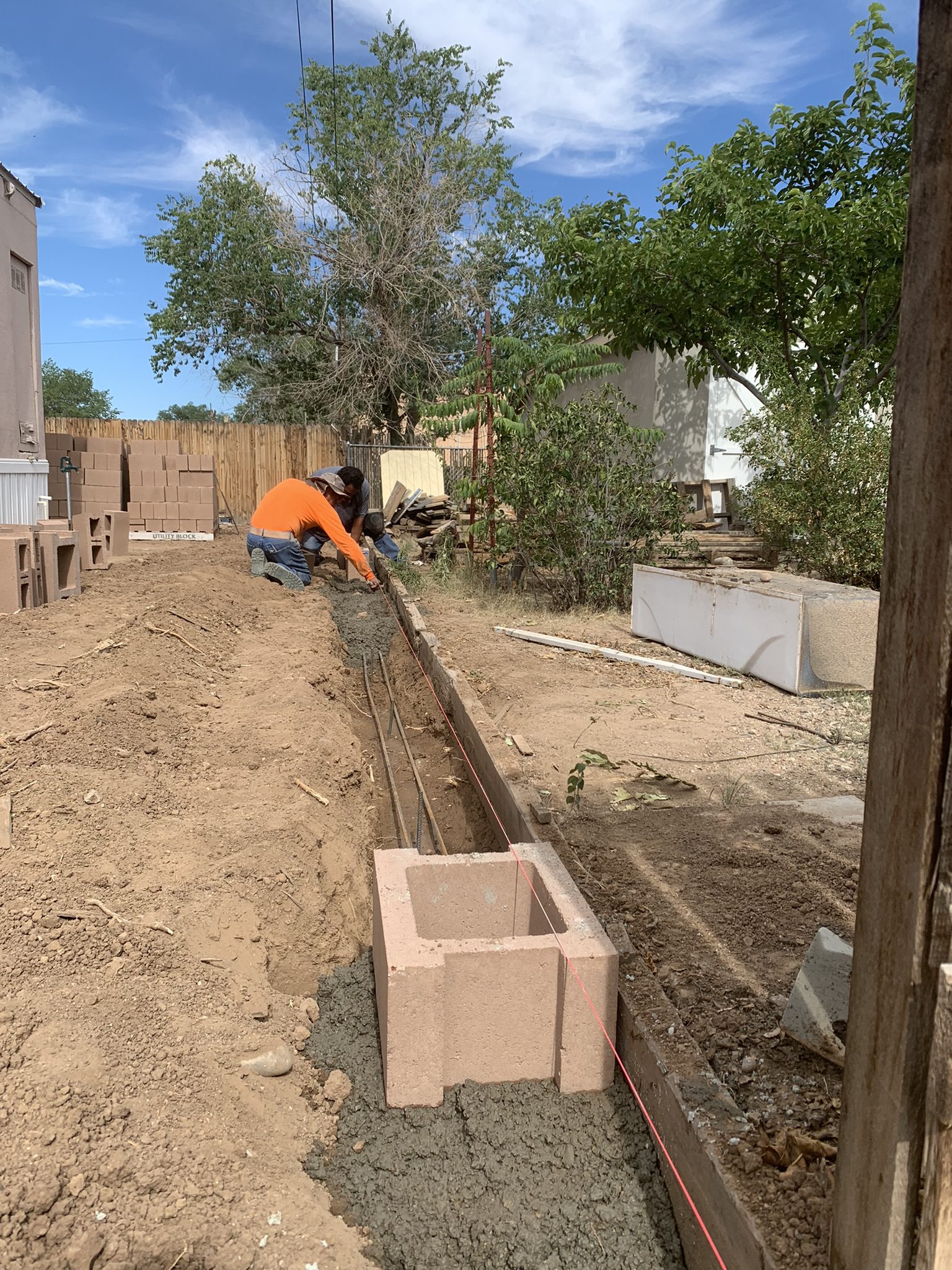
A home addition in New Mexico can cost anywhere from the low tens of thousands of dollars to well over a hundred thousand, depending on what you’re building. The final number comes down to the type of addition, the materials you choose, local labor rates, and how complex the project becomes once permits, engineering, and site conditions enter the picture. That range feels wide because every property is different, and because New Mexico isn’t one market. A bedroom addition in Rio Rancho, a historic-district remodel in Santa Fe, and a second-story build in Albuquerque all follow different cost curves and different approval processes. Even national construction data from the U.S. Census Bureau shows how much regional factors move the numbers. Most guides stop at a single statewide number. This one goes further, breaking down costs by city, the local factors that catch homeowners off guard, a realistic timeline, a contractor vetting checklist, and the budget mistakes that show up again and again across New Mexico additions. The goal isn’t to outdo every other guide on the internet; it’s to give you something you can actually use before you pick up the phone. Average Home Addition Costs in New Mexico Most home additions in New Mexico fall between $150 and $300 per square foot. Basic additions with standard finishes land near the lower end of that range. Custom designs, high-end fixtures, and structural upgrades push the total toward the top of the range or beyond it. A few core factors drive that spread. Material choice. Stucco exteriors are common across New Mexico, and stucco work carries different labor and material costs than siding or brick veneer. Flooring, cabinetry, window quality, and roofing materials all shift the total as well. Labor availability. Skilled labor tightens up during peak building season, roughly April through October. When demand for framers, electricians, and plumbers rises, bids tend to rise with it. Design complexity. A simple rectangular addition with a straightforward roofline is cheaper to frame than one with angled walls, vaulted ceilings, or custom architectural details. Site prep needs. Some lots need only minimal grading. Others need retaining walls, drainage work, or foundation leveling first, none of which shows up in a rough per-square-foot quote. Home Addition Costs by New Mexico City Statewide averages only tell part of the story. Local permitting rules, design standards, and labor markets shift the real cost and timeline city by city. Albuquerque. As the state’s largest market, Albuquerque has the deepest pool of licensed contractors, which can help keep bids competitive. The City of Albuquerque Building Safety Division reports residential plan review typically takes around 13 days, faster than many smaller jurisdictions, though structural additions and second stories usually take longer to clear than a simple bedroom addition. Neighborhoods with mature trees and older slab foundations, common in the North Valley and parts of the Northeast Heights, sometimes need extra site assessment before a contractor can finalize a bid. Santa Fe. Santa Fe’s cost structure looks different from the rest of the state because of design requirements, not just labor rates. Properties within one of the city’s five historic districts fall under the Historic Districts Ordinance, which regulates exterior style, materials, and color on new construction and additions visible from the street. That review process adds time and, often, cost, since additions typically need to match Spanish Pueblo or Territorial Revival styling rather than a standard modern build. Homeowners outside the historic core have more design freedom, but should still confirm their property’s status before finalizing plans. Las Cruces. Southern New Mexico’s construction costs generally run lower than Albuquerque or Santa Fe, reflecting a lower regional cost of living and a different labor market. Permits in Las Cruces go through the city’s online citizen portal, detailed on the City of Las Cruces permitting page, and residential projects are typically reviewed within a few business days once the application is complete. The trade-off is that specialty labor, such as certain masonry or custom stucco work, can be less available locally than in Albuquerque, which sometimes means bringing in a crew from further away. Rio Rancho. As one of the state’s fastest-growing cities, Rio Rancho has a large share of newer housing stock, which usually means simpler foundation and utility conditions for additions compared to older homes elsewhere in the state. The Rio Rancho Building Division requires permits for most addition and remodeling work, including garage conversions, and reviews plans against current International Building and Residential Codes. Because much of the city was built on a master-planned grid, utility tie-ins for additions tend to be more straightforward than in older, less uniform neighborhoods. Smaller cities and unincorporated areas. Albuquerque, Santa Fe, Las Cruces, and Rio Rancho each run their own building departments. In many smaller New Mexico communities, permitting instead goes directly through the state’s Construction Industries Division rather than a city office. If your project is outside one of the four major metro areas, confirm which agency handles your permit before you set a construction timeline, since the process and review times can differ from what’s typical in Albuquerque or Santa Fe. New Mexico Site Factors That Change Your Budget Beyond city-specific rules, a few physical and seasonal factors affect additions statewide. Caliche soil. Much of central New Mexico sits on caliche, a dense, cemented layer of soil that forms naturally in high desert regions. It can be difficult to excavate with standard equipment and sometimes requires specialized machinery or extra labor hours for foundation and footing work. If a contractor flags caliche during a site visit, ask how it affects both cost and timeline before signing anything. Monsoon season scheduling. Late summer brings heavy, fast-moving afternoon storms across much of New Mexico, typically from July through September. Foundation pours, roofing work, and any stage that leaves a structure open to the elements are best scheduled outside this window. Temperature swings and insulation. New Mexico’s high desert climate brings large daily temperature swings between hot afternoons and cool nights,