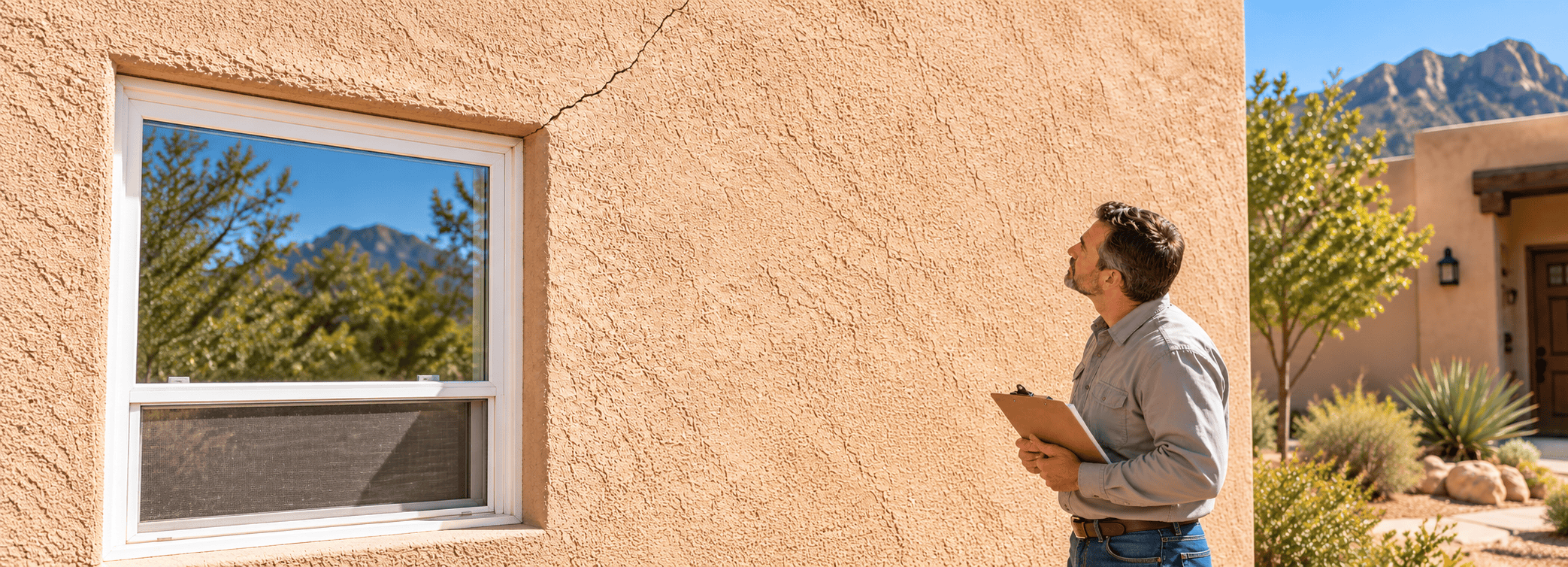
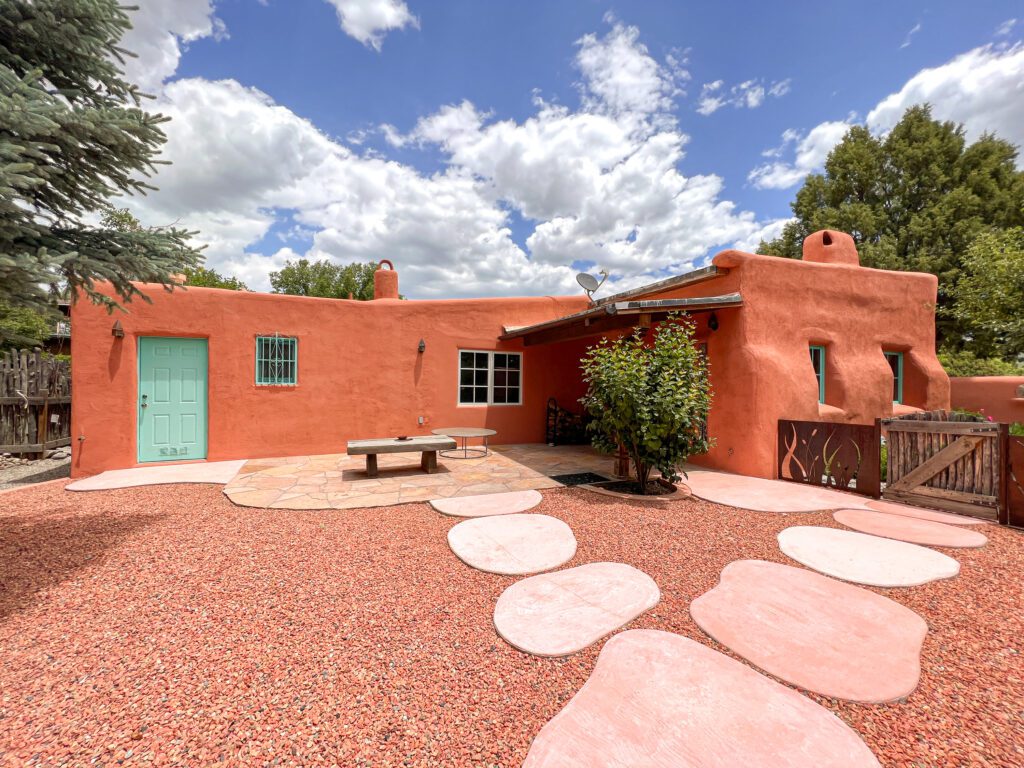
A home addition in New Mexico can cost anywhere from the low tens of thousands of dollars to well over a hundred thousand, depending on what you’re building. The final number comes down to the type of addition, the materials you choose, local labor rates, and how complex the project becomes once permits, engineering, and site conditions enter the picture.
That range feels wide because every property is different, and because New Mexico isn’t one market. A bedroom addition in Rio Rancho, a historic-district remodel in Santa Fe, and a second-story build in Albuquerque all follow different cost curves and different approval processes. Even national construction data from the U.S. Census Bureau shows how much regional factors move the numbers.
Most guides stop at a single statewide number. This one goes further, breaking down costs by city, the local factors that catch homeowners off guard, a realistic timeline, a contractor vetting checklist, and the budget mistakes that show up again and again across New Mexico additions. The goal isn’t to outdo every other guide on the internet; it’s to give you something you can actually use before you pick up the phone.
Average Home Addition Costs in New Mexico
Most home additions in New Mexico fall between $150 and $300 per square foot. Basic additions with standard finishes land near the lower end of that range. Custom designs, high-end fixtures, and structural upgrades push the total toward the top of the range or beyond it.
A few core factors drive that spread.
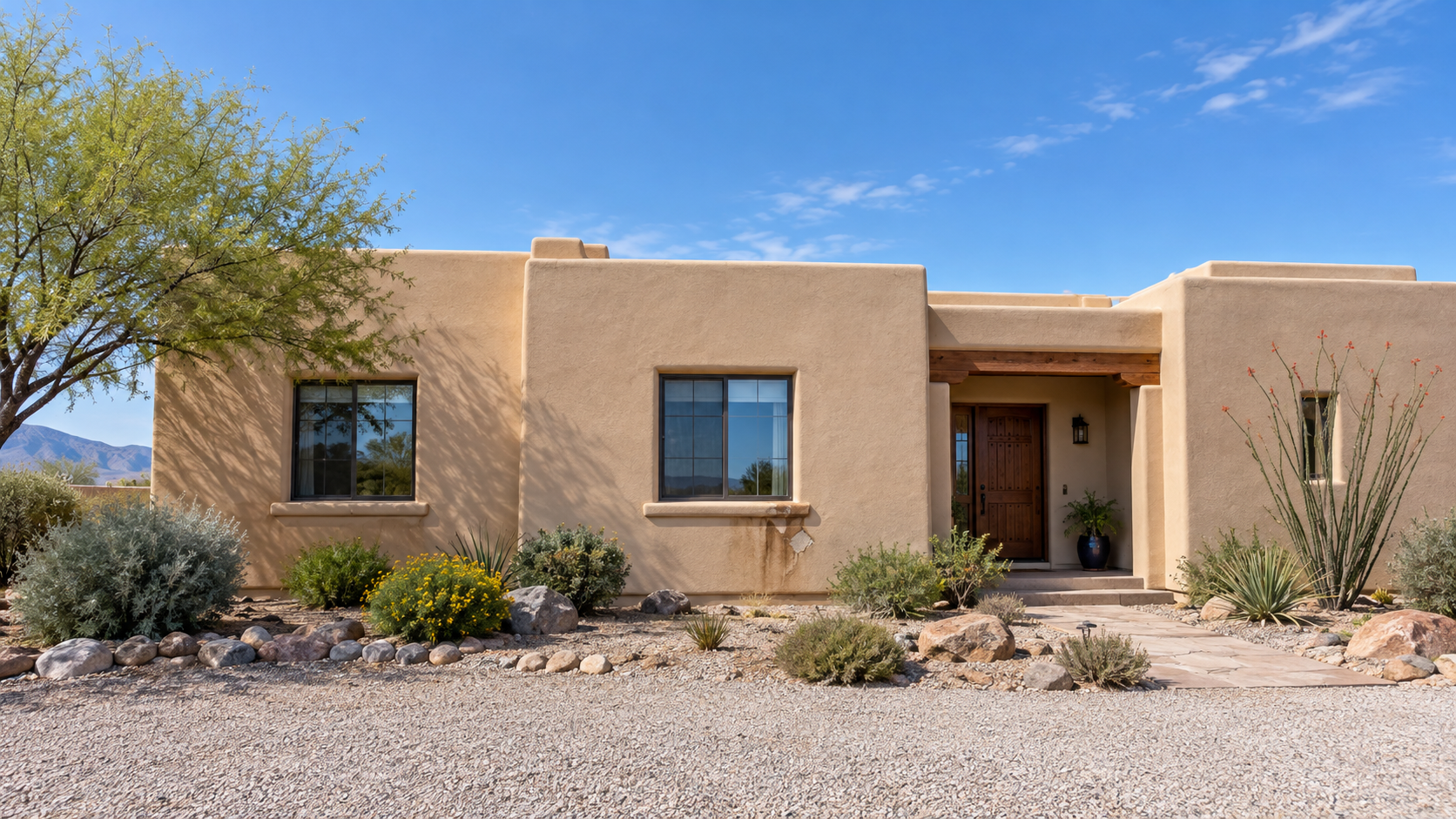
Material choice. Stucco exteriors are common across New Mexico, and stucco work carries different labor and material costs than siding or brick veneer. Flooring, cabinetry, window quality, and roofing materials all shift the total as well.
Labor availability. Skilled labor tightens up during peak building season, roughly April through October. When demand for framers, electricians, and plumbers rises, bids tend to rise with it.
Design complexity. A simple rectangular addition with a straightforward roofline is cheaper to frame than one with angled walls, vaulted ceilings, or custom architectural details.
Site prep needs. Some lots need only minimal grading. Others need retaining walls, drainage work, or foundation leveling first, none of which shows up in a rough per-square-foot quote.
Home Addition Costs by New Mexico City
Statewide averages only tell part of the story. Local permitting rules, design standards, and labor markets shift the real cost and timeline city by city.
Albuquerque. As the state’s largest market, Albuquerque has the deepest pool of licensed contractors, which can help keep bids competitive. The City of Albuquerque Building Safety Division reports residential plan review typically takes around 13 days, faster than many smaller jurisdictions, though structural additions and second stories usually take longer to clear than a simple bedroom addition. Neighborhoods with mature trees and older slab foundations, common in the North Valley and parts of the Northeast Heights, sometimes need extra site assessment before a contractor can finalize a bid.
Santa Fe. Santa Fe’s cost structure looks different from the rest of the state because of design requirements, not just labor rates. Properties within one of the city’s five historic districts fall under the Historic Districts Ordinance, which regulates exterior style, materials, and color on new construction and additions visible from the street. That review process adds time and, often, cost, since additions typically need to match Spanish Pueblo or Territorial Revival styling rather than a standard modern build. Homeowners outside the historic core have more design freedom, but should still confirm their property’s status before finalizing plans.
Las Cruces. Southern New Mexico’s construction costs generally run lower than Albuquerque or Santa Fe, reflecting a lower regional cost of living and a different labor market. Permits in Las Cruces go through the city’s online citizen portal, detailed on the City of Las Cruces permitting page, and residential projects are typically reviewed within a few business days once the application is complete. The trade-off is that specialty labor, such as certain masonry or custom stucco work, can be less available locally than in Albuquerque, which sometimes means bringing in a crew from further away.
Rio Rancho. As one of the state’s fastest-growing cities, Rio Rancho has a large share of newer housing stock, which usually means simpler foundation and utility conditions for additions compared to older homes elsewhere in the state. The Rio Rancho Building Division requires permits for most addition and remodeling work, including garage conversions, and reviews plans against current International Building and Residential Codes. Because much of the city was built on a master-planned grid, utility tie-ins for additions tend to be more straightforward than in older, less uniform neighborhoods.
Smaller cities and unincorporated areas. Albuquerque, Santa Fe, Las Cruces, and Rio Rancho each run their own building departments. In many smaller New Mexico communities, permitting instead goes directly through the state’s Construction Industries Division rather than a city office. If your project is outside one of the four major metro areas, confirm which agency handles your permit before you set a construction timeline, since the process and review times can differ from what’s typical in Albuquerque or Santa Fe.
New Mexico Site Factors That Change Your Budget
Beyond city-specific rules, a few physical and seasonal factors affect additions statewide.
Caliche soil. Much of central New Mexico sits on caliche, a dense, cemented layer of soil that forms naturally in high desert regions. It can be difficult to excavate with standard equipment and sometimes requires specialized machinery or extra labor hours for foundation and footing work. If a contractor flags caliche during a site visit, ask how it affects both cost and timeline before signing anything.
Monsoon season scheduling. Late summer brings heavy, fast-moving afternoon storms across much of New Mexico, typically from July through September. Foundation pours, roofing work, and any stage that leaves a structure open to the elements are best scheduled outside this window.
Temperature swings and insulation. New Mexico’s high desert climate brings large daily temperature swings between hot afternoons and cool nights, whether in Albuquerque, Las Cruces, or the higher elevations around Santa Fe. Additions that skimp on insulation or use undersized HVAC equipment often lead to higher energy bills and comfort complaints later.
Room Addition Cost Breakdown
Different room types carry different price tags, mainly because of the plumbing, electrical, and structural work each one requires.
Bedroom additions. These tend to be the most affordable option since they usually only need framing, insulation, electrical wiring, and interior finishing.
Living room extensions. Larger open spaces often call for additional structural support, especially with big windows, vaulted ceilings, or an open floor plan connecting to the existing home.
Bathroom additions. Plumbing work makes bathroom additions one of the more expensive room types per square foot, even though they’re often small in size.
Garage conversions. Converting an existing garage into livable space is usually less expensive than building new square footage, since the foundation, walls, and roof already exist. See how our room addition services handle each of these project types.
Second Story Addition Costs
Adding a second story is one of the more involved projects a homeowner can take on, and the price tag reflects that added complexity.
Structural reinforcement. Most single-story homes need foundation and framing upgrades before they can safely support a second floor, which often means reinforcing footings, walls, and support beams.
Engineering and foundation factors. A structural engineer typically needs to assess whether the existing foundation can bear the additional weight. Combined with caliche soil conditions in parts of the state, foundation reinforcement can become one of the largest line items in the project.
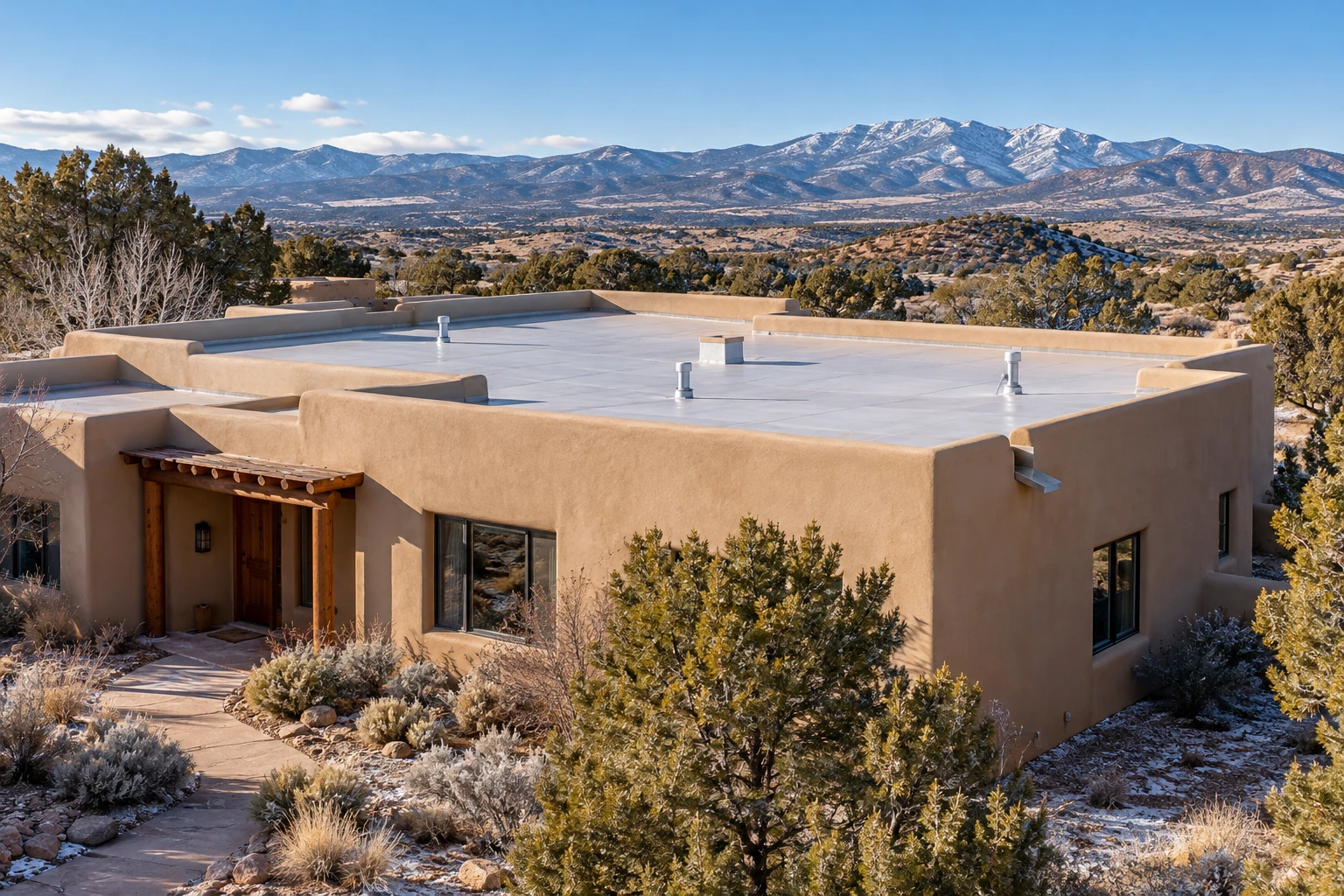
Higher cost complexity. Second-story additions often require partial or full roof removal, temporary weatherproofing, and closer coordination between trades working at height, which extends the timeline compared to a single-story build.
Realistic Project Timeline
Cost isn’t the only thing homeowners underestimate. Timeline matters just as much for planning around construction.
Design and planning: 2 to 5 weeks. Custom architectural details or Santa Fe historic district review add time here.
Permitting: roughly 2 to 8 weeks, depending on the city. Albuquerque’s residential review runs close to two weeks under normal conditions, while other jurisdictions and state-administered permits can take longer for complex or structural projects.
Construction: 6 to 16 weeks. A bedroom or bathroom addition tends toward the shorter end. Second-story additions, garage conversions with new plumbing, or projects that hit unexpected structural issues run longer.
Weather adds a variable most calculators ignore. If your foundation or roofing phase lands during monsoon season, build extra buffer time into your expectations from the start.
How to Estimate Your Home Addition Budget
Calculate square footage first. Multiply the planned addition’s length by width, then apply a realistic per-square-foot range based on room type and finish level.
Get multiple contractor estimates. Written estimates from licensed, local contractors give you a far clearer picture than online calculators, since they account for your specific lot, soil, and city requirements.
Build in a contingency. Set aside 10 to 20 percent above the estimated total for unexpected costs, such as caliche excavation, historic design review, or permit delays.
Ask about phased timelines. If your budget is tight, ask whether structural work and exterior finishes can be completed first, with interior details phased in later.
Common Budget Mistakes to Avoid
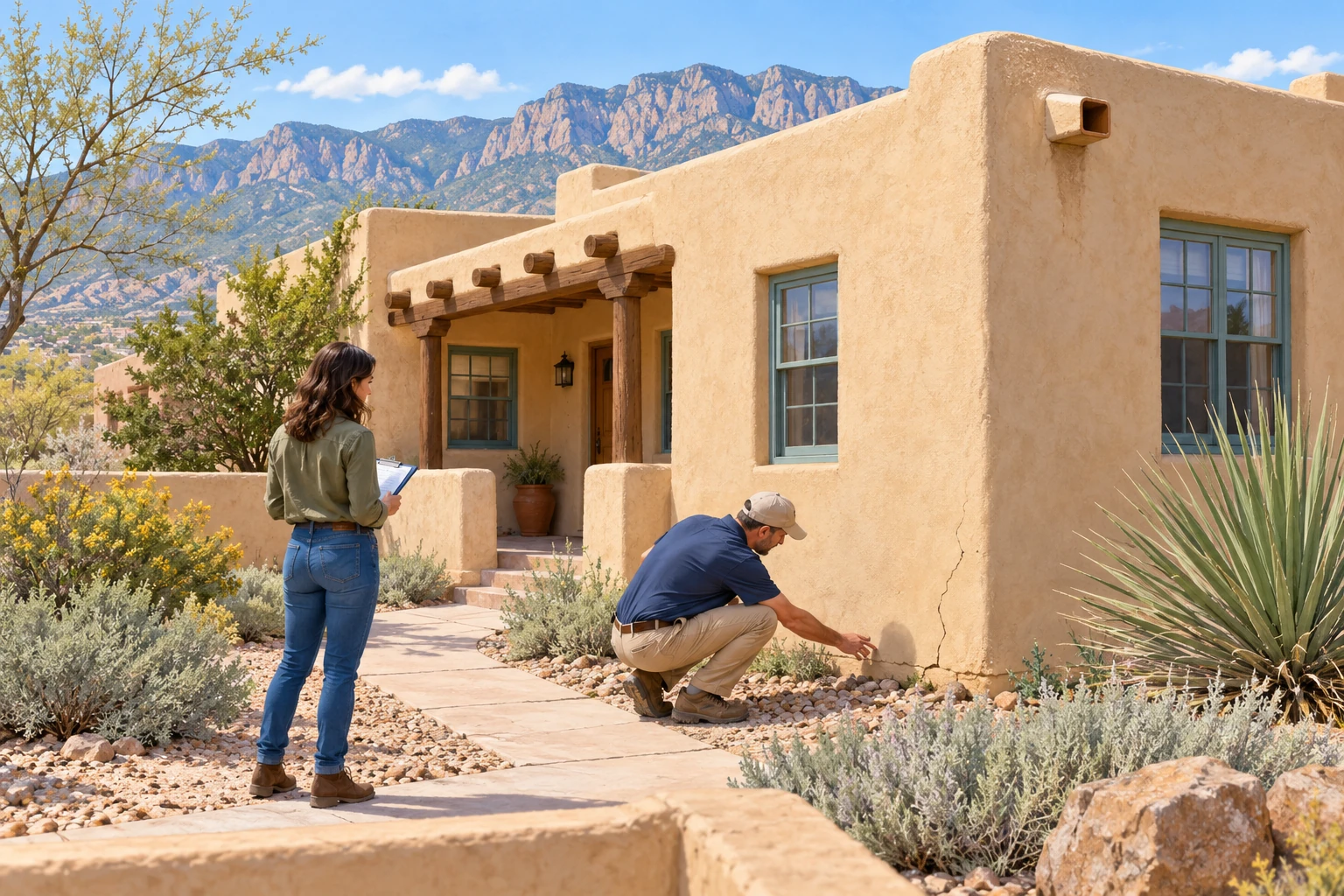
Skipping the soil assessment. Homeowners who get a bid without a site visit sometimes find out about caliche or drainage issues only after digging starts, when it’s the most expensive time to discover a problem.
Ignoring local permit timing. Assuming every New Mexico city processes permits the same way can push a project weeks or months past the original target date.
Underestimating utility tie-in costs. Extending water, sewer, or electrical service to a new addition can cost more than expected, especially if the addition sits far from existing lines.
Choosing the lowest bid without checking scope. A significantly lower estimate often means missing scope, not a better deal. Compare what’s actually included, not just the bottom-line number.
Questions to Ask Before You Hire a Contractor
- Has your team worked with caliche soil or similar conditions in this area before?
- How will you schedule foundation and roofing work around monsoon season?
- Is my property in a historic or design overlay zone, and if so, what does that mean for approval timelines?
- What’s included in this estimate, and what would trigger a change order?
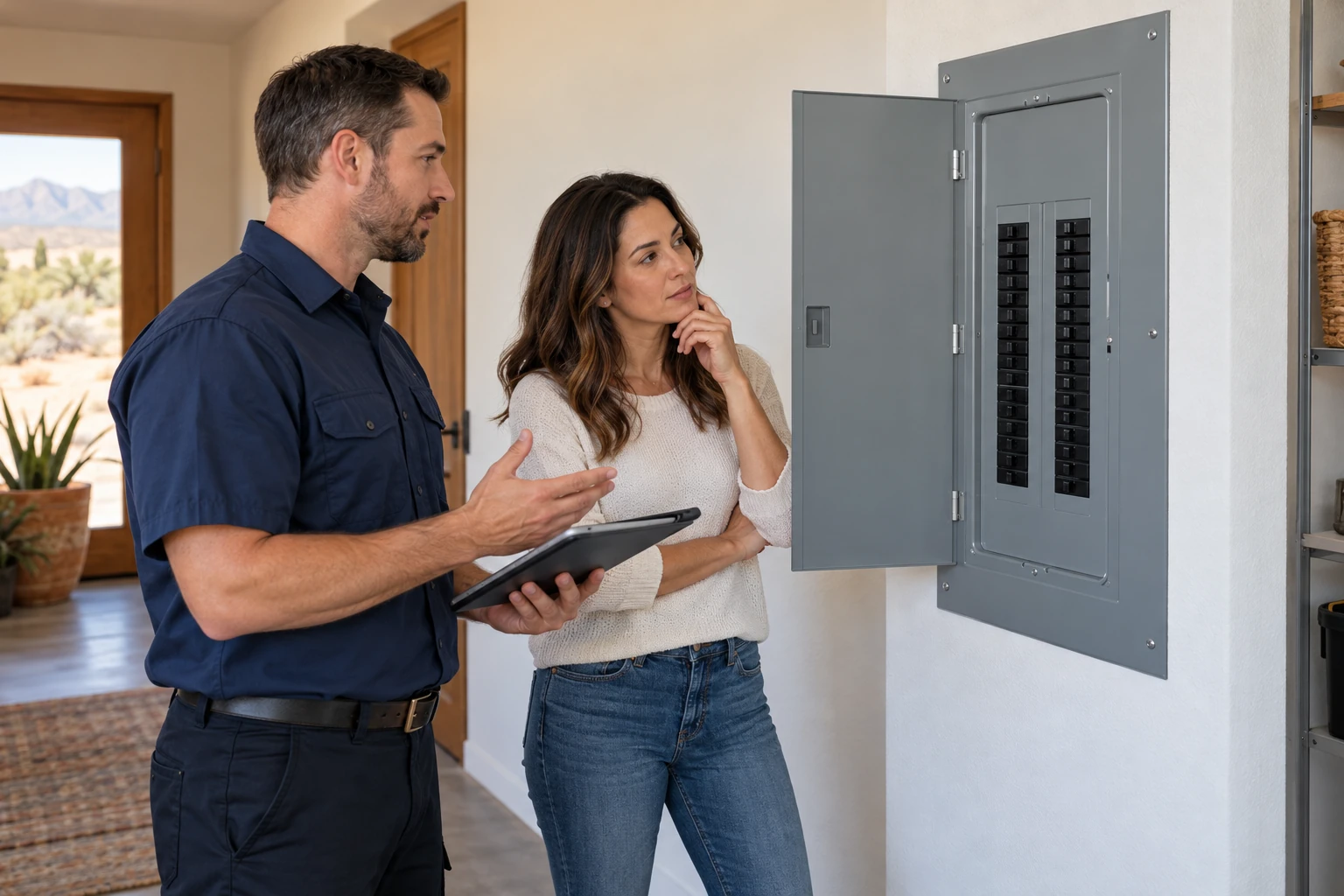
- How will the addition’s HVAC and insulation tie into my existing system?
- What’s your realistic timeline from permit approval to project completion in my specific city?
A licensed generator contractor who answers these clearly, with specifics tied to your property and city, is showing you real local experience rather than a generic quote.
Financing Your Home Addition
Most homeowners fund additions through one of a few common paths: a home equity line of credit (HELOC), a cash-out refinance, a dedicated construction loan, or contractor-arranged financing. Each comes with different rates, repayment terms, and qualification requirements, so it’s worth comparing at least two options with a lender before committing to a project scope.
Get an Accurate Estimate for Your Home Addition
Every property in New Mexico comes with its own set of variables, from soil conditions and city permit rules to design overlay requirements. The only way to get a number you can actually plan around is to have a local team assess your home in person and walk you through the specifics of your project and your city.
Connect with home addition contractors in New Mexico at Happy Homes for accurate pricing based on your specific project, city, timeline, and budget.