Key Takeaways
- A bathroom remodel needs a permit only when it changes plumbing, electrical wiring, structural framing, or mechanical systems, not for cosmetic updates.
- A room addition almost always requires a full building permit, since new square footage involves foundation, framing, electrical, and plumbing work.
- Re-roofing generally requires a permit in most New Mexico jurisdictions, including Albuquerque.
- Who issues the permit depends on jurisdiction: the state Construction Industries Division in many areas, or a local building department such as Albuquerque’s Building Safety Division inside city limits.
- Unpermitted work tends to surface during a home sale, an insurance claim, or a future remodel, and correcting it later is usually more disruptive than permitting it up front.
A bathroom remodel needs a permit in New Mexico when it touches plumbing, electrical wiring, structural framing, or mechanical systems. Swap a vanity, retile the floor, or repaint, and most jurisdictions will not ask for paperwork. Move a drain line, relocate a wall, or add a new circuit, and you are now in permit territory. The determining factor is what changes inside the walls, not the fact that the room happens to be a bathroom.
New Mexico applies one standard across every trade, at least on paper. Under the state’s Construction Industries Licensing Act, building alterations, along with electrical, plumbing, or mechanical work, require a permit before the work starts, unless the project falls under a narrow, clearly defined exemption. That standard comes from the state, but who actually issues the permit and inspects the work depends on where the property sits.
Permitting Is Split Between the State and Local Jurisdictions
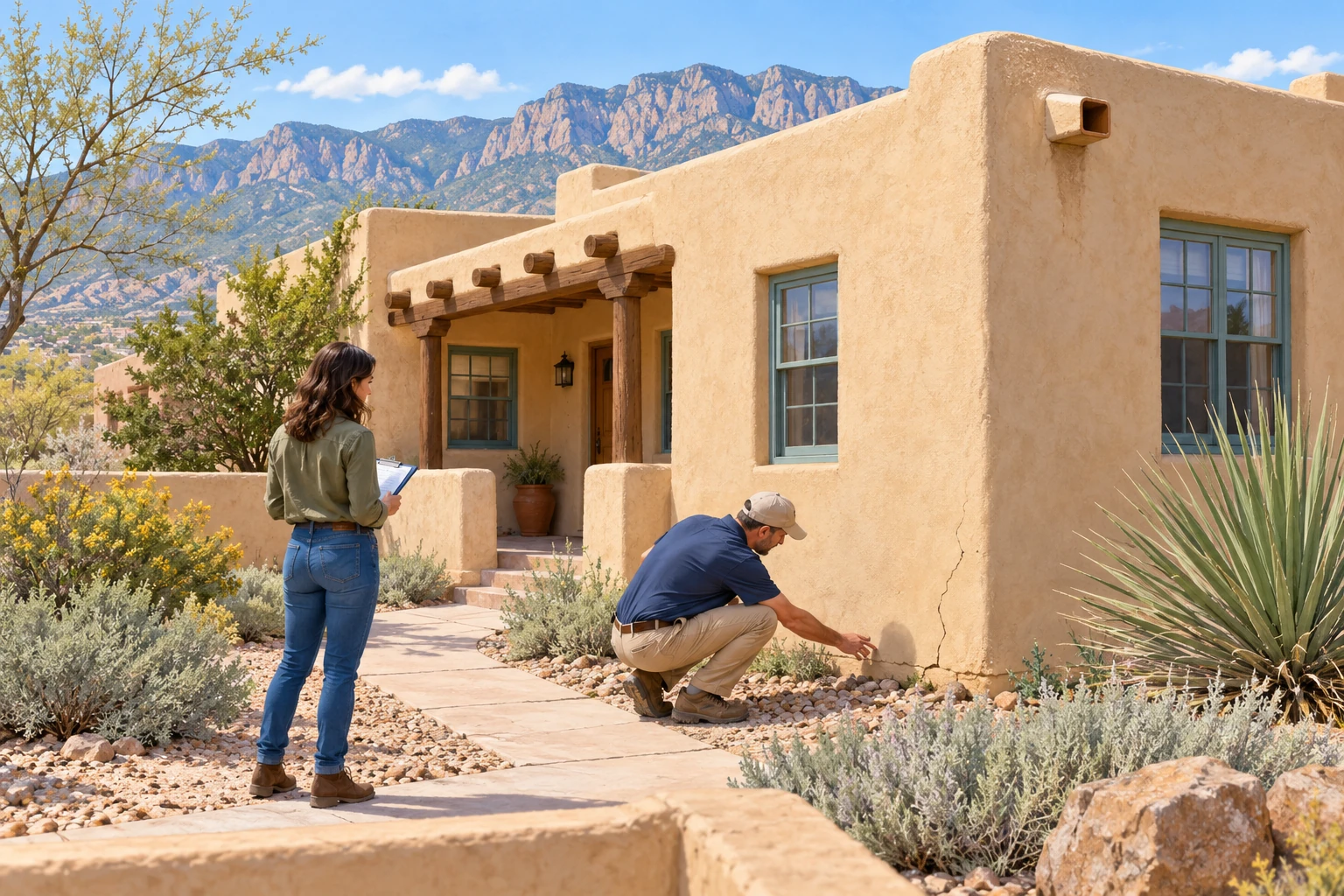
This is the part a lot of general how-to articles skip. New Mexico does not run one single permitting office for the entire state. The Construction Industries Division, part of the Regulation and Licensing Department, issues permits directly in many counties and smaller towns. Albuquerque is different. The city runs its own Building Safety Division inside its Planning Department, issuing building and trade permits and running inspections under its own locally adopted administrative code. Santa Fe, Las Cruces, Rio Rancho, and several counties have their own arrangements too, some administered locally and some routed back to the state. If your project sits inside Albuquerque city limits, you are dealing with the city. Outside it, you are more likely dealing with the state CID office instead. Confirming which office covers your address is the first real step, before you worry about exemptions or paperwork at all.
Bathroom Remodels: What Actually Triggers a Permit
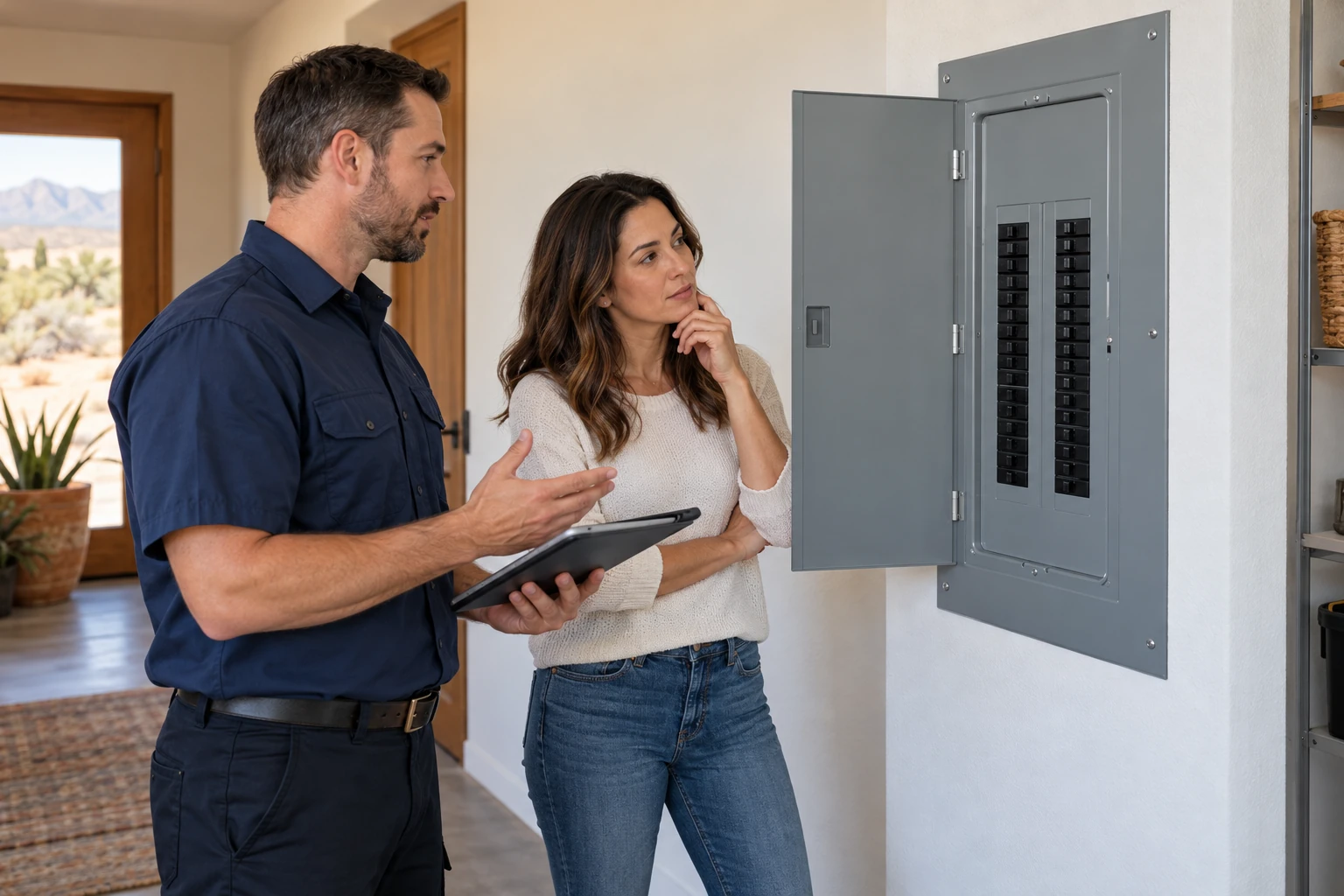
For a bathroom remodel specifically, the work that reliably requires a permit includes moving a toilet, tub, or shower to a new location, adding or relocating supply and drain lines, running new circuits or adding a dedicated outlet, adding an exhaust fan where none existed, and removing or altering a wall, even a short one. Work that typically stays permit-free includes replacing fixtures in the same spot, new tile or flooring, a new vanity connected to the existing plumbing stub-outs, and cosmetic finishes like paint or a light fixture swap on an existing circuit.
The safest approach for a full bathroom remodeling project, especially one that repositions plumbing or adds a new circuit, is to assume a permit applies and confirm the exact scope with the local building office before demolition starts. A five-minute phone call costs far less than tearing out finished tile later because an inspector needs to see the rough plumbing.
Work That Usually Does Not Need a Permit
Not every project touches the permit system, and jurisdictions generally carve out a category for genuinely minor work. Albuquerque, for example, treats fences and walls under six feet differently from taller ones, and offers a lighter minor alteration and repair permit for small jobs that do not rise to the level of a full building permit. Cosmetic swaps that do not change plumbing, wiring, or structure, new countertops, cabinet fronts, flooring, or paint, generally fall outside permit requirements almost everywhere in the state. The exact line still depends on your local building department, since what counts as minor in one town is not automatically minor somewhere else, but these categories give you a reasonable starting point before you call to confirm.
Room Additions: Expect a Full Building Permit
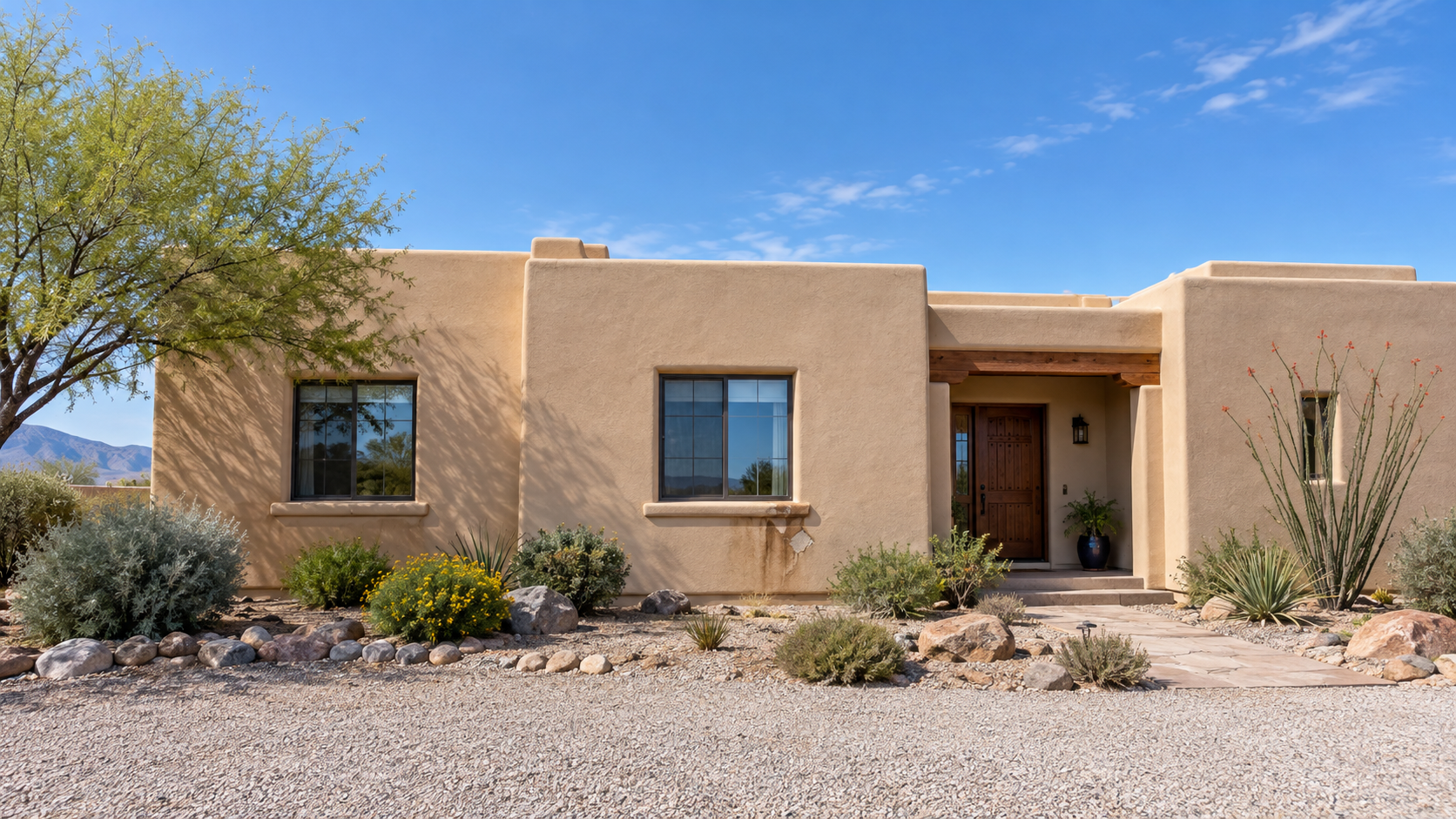
A room addition sits on firmer ground than a bathroom refresh: expect a full building permit almost every time. New square footage means new foundation or footing work, framing tied into the existing roof structure, new electrical and plumbing runs, and often a new HVAC branch, all of which fall squarely inside the building code. Depending on the size and structural complexity of the addition, plans may also need to carry the seal of a licensed New Mexico architect or structural engineer before the permit office will review them. That requirement is not universal for every addition, but it comes up often enough on larger or structurally complex projects that anyone planning a home addition should ask about it early, while the design is still on paper rather than already framed.
Room additions also overlap with garage conversions and covered patio enclosures, which homeowners sometimes assume are smaller undertakings than a full addition. Albuquerque’s building department treats these the same as new conditioned space, requiring permits, inspections, and often engineered drawings for the roof and wall assemblies involved. Assuming a project is minor because it reuses an existing structure, such as turning a garage into a bedroom, is one of the more common mistakes homeowners make before pulling a permit. Homeowners researching costs for a specific type of addition can also see how these factors play out in practice in this breakdown of what drives the cost of adding a bathroom in New Mexico.
Roofing: Usually Permitted, but Confirm the Scope
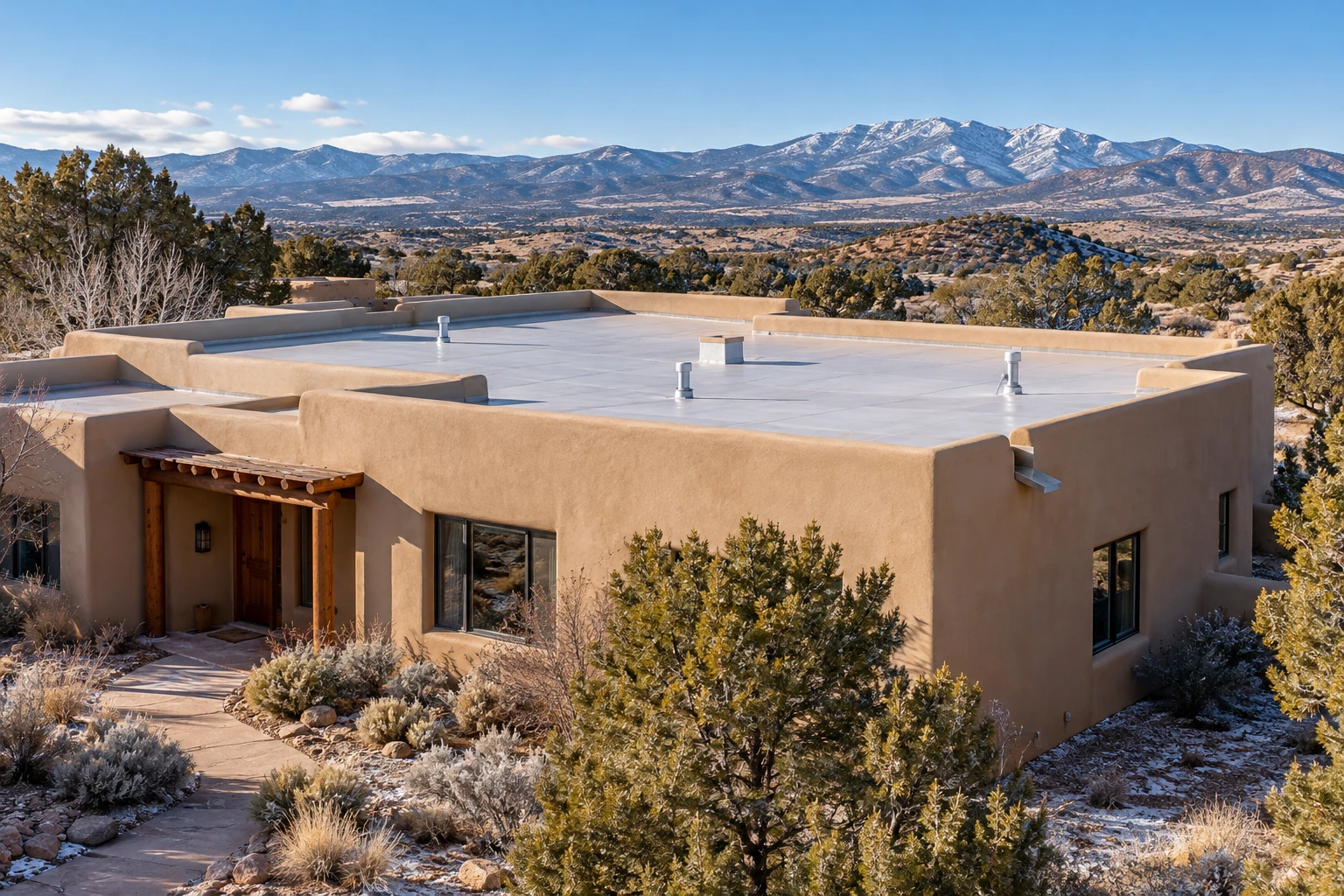
Roofing sits somewhere in between. Multiple New Mexico jurisdictions, including Albuquerque and several counties, specifically call out re-roofing and roof replacement as permit-required work, tied to a required inspection. Some smaller repair jobs, patching a section, replacing a few damaged tiles, resealing flashing, may qualify for a lighter minor alteration and repair permit rather than a full building permit, depending on the jurisdiction. A full roof replacement almost always needs the standard permit and inspection process. Because the line between repair and replacement is drawn differently from one building department to the next, the only reliable move is to ask your specific jurisdiction before work begins, rather than assuming a rule from a neighboring town applies to your address.
Who Pulls the Permit: Contractor or Homeowner
Either a licensed contractor or the homeowner can typically apply for a residential permit, but the two paths carry different obligations. When a licensed contractor pulls the permit, it is tied to their license, and they carry responsibility for meeting code and passing inspection. When a homeowner pulls a permit to do the work personally, most jurisdictions require the homeowner to sign an affidavit acknowledging they understand the applicable code and will perform the work themselves, rather than simply hiring unlicensed help under their own permit.
That distinction matters more than it looks. Ask about the licensed contractor NM permits requirements before you sign anything. The answer determines who is legally accountable if an inspection turns up a problem, the contractor under their own license, or you under a homeowner permit you may not have realized you signed up for.
Plan Review and Inspection Timelines Vary
Plan review timelines depend on the jurisdiction and on how complex the drawings are. Some smaller projects clear review in a few days. Additions that require architect or engineer review can take considerably longer before a permit is issued. Building that review window into your project schedule, rather than assuming a permit is instant, helps avoid delays that catch homeowners off guard partway through a project timeline they already committed to with a crew.
What Happens When Work Goes Unpermitted
Skipping a required permit rarely causes a problem the same week the work finishes. It tends to surface later: during a home sale, when a buyer’s inspector flags work that does not match the property’s permit history; during an insurance claim tied to that part of the house; or during a future remodel, when a contractor pulls permit records and finds a gap. Fixing it after the fact generally means going back to the building department for a retroactive permit review, which can involve opening up finished work so an inspector can see what is actually behind the wall. That process is usually more disruptive, and more expensive, than getting the permit before work started in the first place.
If you are buying a home with a past addition or remodel that looks recent but has no matching permit on record, it is worth checking with the local building department before assuming the work was done to code. The department can tell you what a legalization or after-the-fact permit process would involve for that specific property.
Questions to Ask a Contractor Before Signing
Before signing a contract for a bathroom remodel, addition, or roofing project, ask the contractor directly whether the scope of work requires a permit, and if so, who is applying for it and under which license number. Ask what inspections are scheduled and roughly when, so you know what to expect rather than being surprised by a stop-work notice. For additions, ask whether the plans will need an architect or engineer’s seal before submission, and who is responsible for that cost. A contractor who answers these questions clearly and without hesitation is usually one who treats permitting as a normal part of the job, not an afterthought handled after a complaint.
The Next Step
Every answer here ultimately depends on your specific address, your specific jurisdiction, and the specific scope of work you are planning, not on one generic statewide rule. Before finalizing plans for a bathroom remodel, room addition, or roofing project anywhere in New Mexico, call the building department that actually covers your property, Albuquerque’s Building Safety Division if you are inside city limits, or the state Construction Industries Division office if you are not, and get the requirements in writing for your project. That one phone call, made before a contract is signed, is usually what keeps a straightforward remodel from turning into a permitting headache six months later.
If you would rather have that conversation handled for you, Happy Homes LLP, a licensed New Mexico general contractor (GB98), pulls permits as a standard part of every bathroom remodel, addition, and roofing project across the state and can walk you through what your specific address will require.