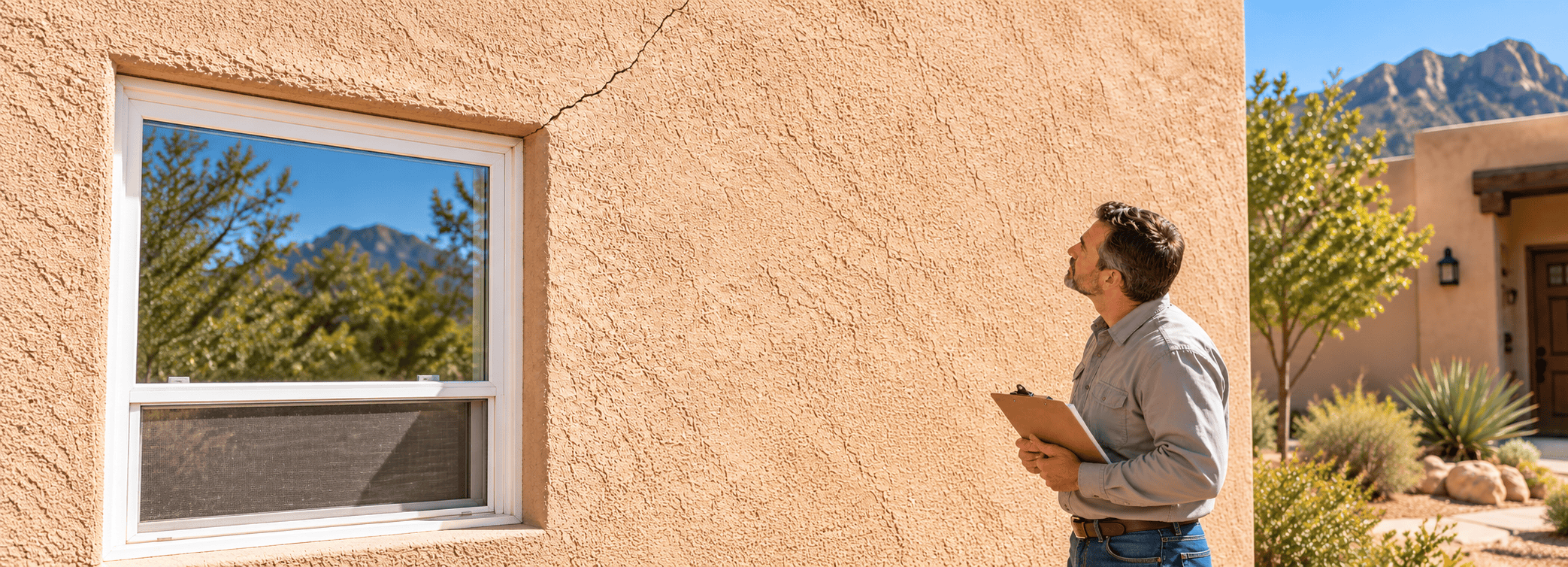
Skipping permits is rarely a deliberate decision. It usually happens when a contractor moves fast and frames the paperwork as an inconvenience. And assures the homeowner that the work is minor enough to avoid the process. The result is unpermitted construction that creates financial and legal exposure. Which outlasts the project itself. surfacing at resale, during insurance claims, and sometimes as a forced stop-work order while framing is half-finished.
Understanding what permits are required in Albuquerque, how long the approval process realistically takes, and what happens when that process gets skipped is essential before any residential build or major renovation begins. This breakdown covers the full permitting picture for new home construction and significant home remodeling work within the Albuquerque metro.
What Permits Are Required for New Construction in Albuquerque?
Residential construction in Albuquerque is governed by the City of Albuquerque Development Services Department. The administers permit intake, plan review, and inspection scheduling for projects within city limits. Unincorporated areas of Bernalillo County and municipalities like Rio Rancho operate under their own permitting systems, though the permit categories are largely parallel. For a new home build, permits are not a single approval. But they are a coordinated package covering different systems, each with its own inspection requirements.
Building Permit
The building permit authorizes the structural work: foundation, framing, load-bearing walls, roof assembly, and the general physical construction of the structure. It requires a complete set of construction drawings that comply with the New Mexico Construction Industries Division’s adopted version of the International Residential Code. For a standard single-family home, this typically includes a site plan showing lot boundaries and setbacks, a floor plan with room dimensions, exterior elevations, a foundation plan, and structural details for any engineered elements. Plans that do not include all required documentation trigger correction notices, which restart the review clock.
Mechanical Permit
Mechanical permits cover HVAC system installation, ductwork, air handlers, furnaces, heat pumps, and gas appliance connections. At Albuquerque’s elevation of roughly 5,300 feet, heating system sizing is not a cosmetic calculation. Undersized furnaces in homes at this elevation produce real comfort and efficiency problems. The mechanical permit process ensures equipment is correctly sized and installed according to code, with an inspection at rough-in and again at final.
Electrical Permit
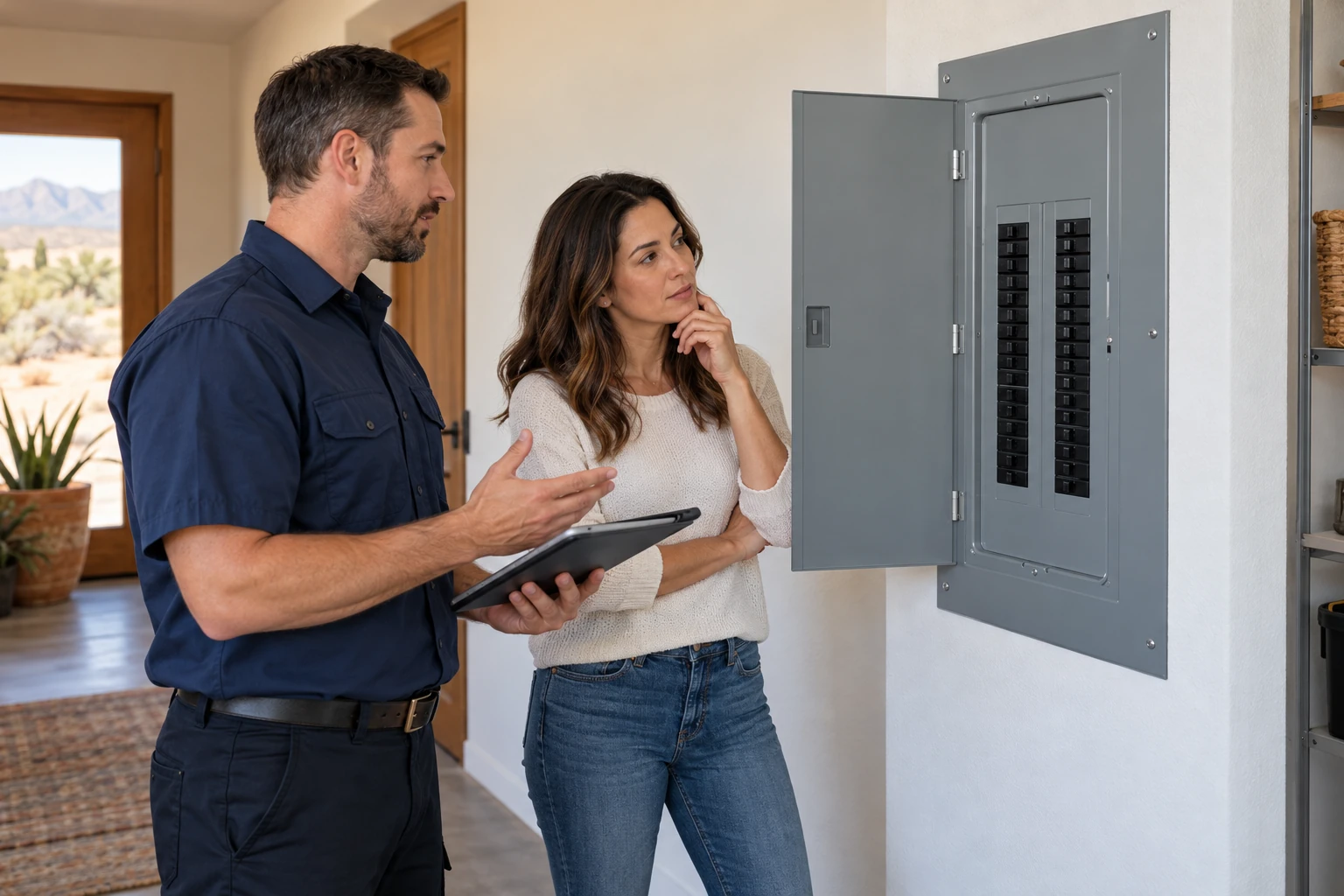
New electrical service, panel installations, circuit additions, and significant wiring work requires an electrical permit. Albuquerque’s electrical inspections verify compliance with the National Electrical Code as adopted by New Mexico. Rough-in inspection happens before walls close, and final inspection covers panel labeling, device installation, and ground fault protection compliance. Electrical work done without permits frequently surfaces during home sales, when buyer inspectors or lenders flag unpermitted panels or wiring configurations.
Plumbing Permit
Plumbing permits apply to new supply and drain line installation, water heater replacements, gas line work, and significant modifications to existing systems. The plumbing permit is separate from the mechanical permit and requires its own rough-in and final inspections. In Albuquerque, water scarcity adds a layer to plumbing compliance, water conservation fixtures and backflow prevention requirements are code-enforced, not optional upgrades.
Who Is Responsible for Permit Applications?
On projects managed by a licensed general contractor, the contractor typically pulls the permits under their own contractor’s license. This matters legally: the licensed contractor assumes responsibility for ensuring the work meets code. On owner-builder projects, where the homeowner manages construction directly, the homeowner can apply for permits, but they take on the same compliance responsibility. For most residential builds, working with a licensed general contractor in Albuquerque is the practical approach. The contractor brings permit application experience, established relationships with plan reviewers, and accountability for the work through the inspection process.
How Long Does Permit Approval Take in Albuquerque NM?
Permit approval timelines at the City of Albuquerque Development Services vary more than most homeowners expect. The key variables are application completeness, project complexity, and the current plan review workload. Working estimates for standard residential projects run as follows:
| Phase / Week | Milestone / Activity |
| Simple permits | Mechanical, electrical, or plumbing for minor work — typically 1 to 5 business days |
| Standard builds | Standard residential building permits — typically 2 to 6 weeks |
| Complex projects | Custom homes, unusual structural systems, or hillside/floodplain lots — typically 6 to 12 weeks |
| Correction cycle | Each resubmission after a plan correction notice — adds 1 to 3 weeks per cycle |
The Most Common Reason Permits Take Longer: Incomplete Applications
Plan review corrections are the single most consistent source of extended permitting timelines. Missing energy compliance documentation, incorrect setback calculations, absent structural details, or inconsistencies between plan sheets all trigger a correction notice that sends the application back to the applicant. Each cycle adds time. Contractors who prepare complete, accurate plan packages and who understand what the Development Services plan reviewers require consistently move through review faster than those submitting incomplete submissions and reacting to correction notices.
Seasonal Variations in Review Time
The Development Services plan review queue is not static. During Albuquerque’s peak construction season, typically March through June, review times run longer as more applications enter the queue simultaneously. Homeowners who submit permit applications in late fall or winter often see faster processing simply because the queue is shorter. This is not a guarantee, but it is a pattern experienced contractors account for in project scheduling.
Complexity and Site Conditions
Lots with unusual characteristics require additional review time. Properties in Albuquerque’s volcanic escarpment zone, hillside overlay district, or floodplain areas carry additional regulatory review layers that extend the approval timeline independent of plan quality. Custom homes with non-standard structural systems, significant below-grade construction, or complex rooflines take longer in plan review than standard wood-frame construction on a flat lot.
What Happens If You Build Without Permits in Albuquerque?
The consequences of unpermitted construction are serious, and they rarely stay contained to the project itself. They tend to compound over time and show up at the worst possible moments.
Stop-Work Orders and Forced Exposure
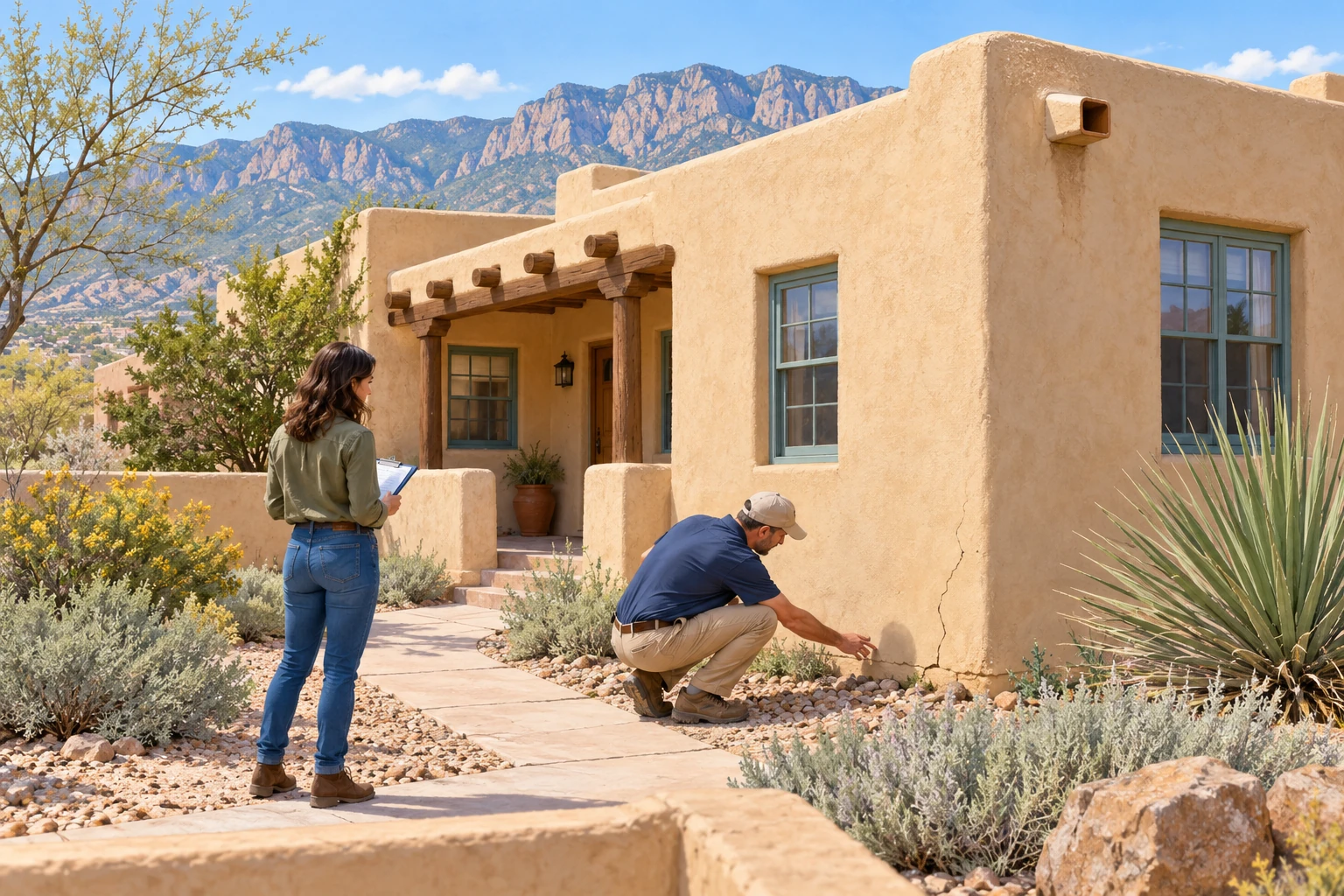
If a city inspector identifies active unpermitted construction, whether through a complaint, a routine area inspection, or a permit application that reveals prior work, the project receives an immediate stop-work order. Work halts until permits are obtained and a compliance path is approved. Depending on how far along the construction is, this can require opening completed walls to expose framing, plumbing, and electrical for inspection. In cases where unpermitted work cannot be verified through inspection, partial demolition becomes a requirement. The cost of reactive compliance after unpermitted construction almost always exceeds what proper permitting would have cost in the first place.
Financial Penalties and After-the-Fact Permit Fees
The City of Albuquerque applies penalty multipliers to after-the-fact permit fees, typically 1.5 to 2 times the standard permit cost. Beyond the permit fee itself, any code-compliance corrections required to bring unpermitted work up to standard are the property owner’s expense. For work that was done incorrectly and concealed behind drywall, correction costs can be substantial.
Complications at Resale
New Mexico real estate disclosure requirements obligate sellers to disclose material facts about a property’s condition. Unpermitted additions, converted garages, or structural modifications without permits are material facts. A buyer’s inspector who identifies unpermitted work can delay or kill a transaction. Lenders and title companies may refuse to close on properties with significant unpermitted improvements. A permit skipped during construction can kill a sale a decade later at a cost far exceeding the original permit fee.
Insurance Exposure
Standard homeowner’s insurance policies generally exclude or restrict coverage for structures that were built without required permits. An unpermitted room addition that burns or suffers storm damage may result in a partial claim denial. The insurer’s position is that unpermitted construction was not underwritten, and coverage for that portion of the structure is outside the policy’s scope. This is not a theoretical risk; in fact, it surfaces during claim investigations.
Long-Term Legal Liability
New Mexico state law and Albuquerque municipal code impose ongoing compliance obligations on property owners. Unpermitted electrical work that creates a fire hazard, or a structural addition that fails and causes injury, can create legal liability that traces directly back to the original unpermitted construction. The absence of inspection sign-offs removes the only objective documentation that the work met code at the time it was done.
Does Your Contractor Handle Permits? What the Answer Reveals
The answer should always be yes, and the reasoning behind that answer matters as much as the answer itself.
What Licensed Contractors Do
A licensed general contractor in Albuquerque pulls permits under their own license, manages the full documentation package, schedules inspections at each required phase, and closes the permit out with a final signed approval before the project is considered complete. This is not administrative overhead. It is the mechanism by which a contractor takes legal accountability for the work. Permitting under a contractor’s license means that if the work is deficient, the contractor bears the compliance obligation, not just the homeowner.
Red Flags That Signal Risk
Be cautious when a contractor tells you permits are unnecessary for work that clearly requires them. Be equally cautious when a contractor offers a reduced price if the homeowner pulls the permit as an owner-builder, this commonly signals an unlicensed or under-insured contractor offloading legal liability. A licensed contractor in Albuquerque carrying general liability insurance and workers’ compensation coverage has no legitimate reason to avoid permit responsibility. The contractors who push back on permits are, more often than not, the ones you do not want building your home.
Why Inspections Are Not Obstacles
Inspections get framed as delays. They are not. A framing inspection before drywall closes confirms that structural, plumbing, and electrical rough-in work is code-compliant while it is still visible and correctable. A final inspection before occupancy confirms that the completed home is safe and legally habitable. These checkpoints produce signed documentation that protects the homeowner throughout the life of the structure. Projects with complete inspection records carry clear, defensible documentation that unpermitted projects can never produce. Explore Happy Homes’ credentials and approach on our about page to understand how we handle the permit process on every project we take on.
| ▶ Let Happy Homes manage the full permit process for your project. From initial permit documentation to final inspection sign-off, we handle every step so your build proceeds on a clean, compliant record. Contact our team to get started, or learn more about us before making a decision. |